
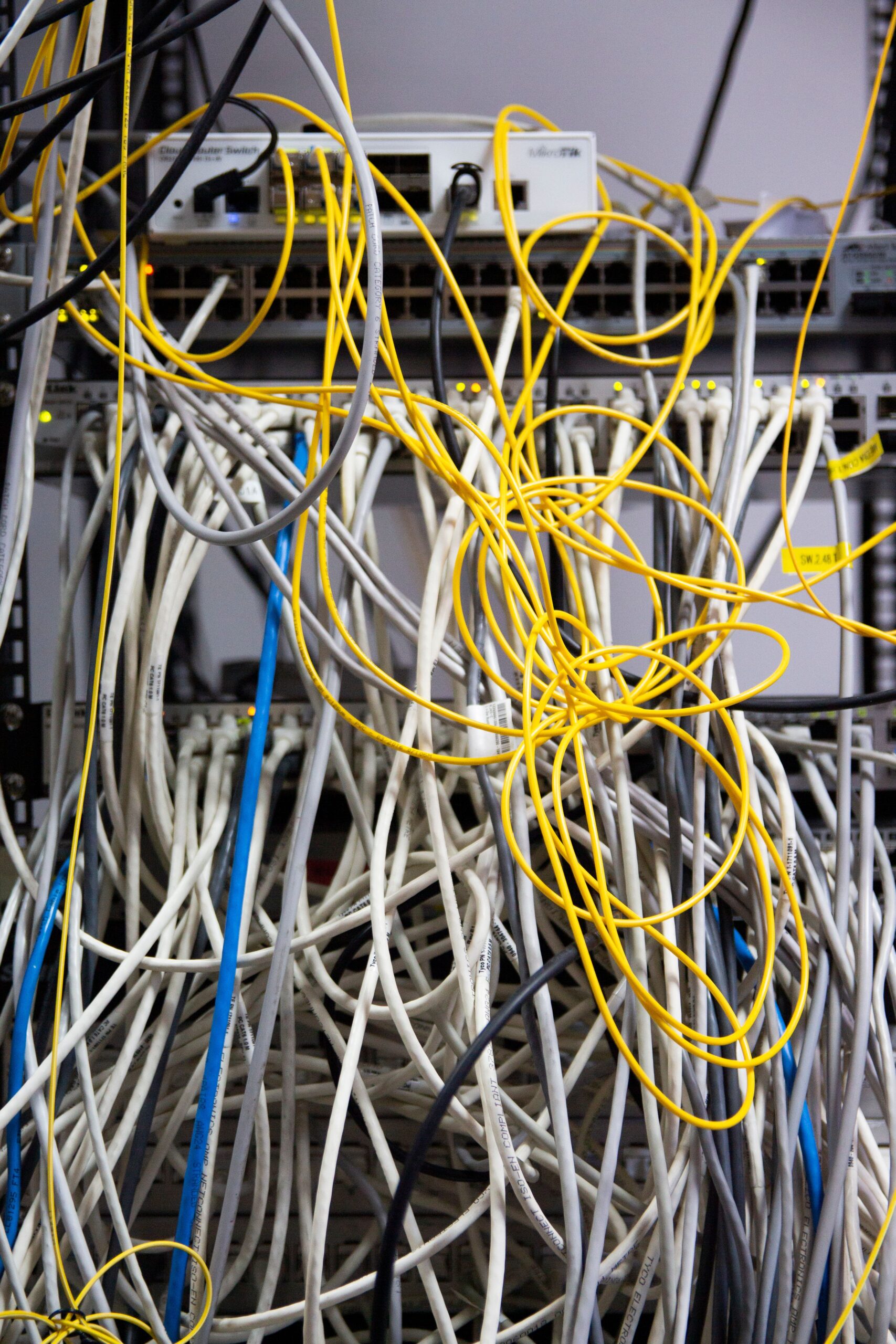
LatencyTest serves as a precise diagnostic method for quantifying the time delay in data packets traveling between a user’s browser and a web server. This delay, measured in milliseconds, directly influences how rapidly a site responds to requests and begins rendering content. Website administrators employ latency tests to isolate variables such as geographic distance, routing inefficiencies, and server processing overhead that degrade performance.
Technical Breakdown of Latency Components
Network latency forms the foundational element, encompassing propagation delays across fiber optics, wireless signals, and intermediary routers. Transmission latency adds overhead from packet serialization, while processing latency arises during server-side computations like database queries or script execution. A comprehensive latency test captures these layers through repeated probes from multiple vantage points, generating averages and percentiles that reveal consistency under load. Tools simulate real-user conditions by sending HTTP requests and recording time-to-first-byte metrics, distinguishing between idle and peak traffic scenarios.
Influence on Core Web Vitals and User Metrics
Low latency underpins metrics such as Largest Contentful Paint and First Input Delay, which search engines weigh heavily in ranking algorithms. Sites exhibiting sub-100ms response times retain visitors longer, reducing bounce rates by up to 30 percent according to aggregated industry benchmarks. Conversely, delays exceeding 300ms correlate with measurable drops in engagement, particularly on mobile networks where variable signal strength amplifies the effect. E-commerce platforms demonstrate that each additional 100ms of latency can decrease conversion rates by 7 percent, underscoring the direct revenue tie-in.
Practical Methods for Conducting Latency Tests
Developers integrate browser developer consoles to inspect network waterfalls and identify slow endpoints. Third-party platforms deploy distributed agents worldwide, executing synthetic transactions that log round-trip times across continents. Command-line utilities like curl with timing flags or specialized scripts in Python using requests libraries allow custom automation for continuous monitoring. Results should include minimum, maximum, and standard deviation values to highlight variability caused by congestion or peering disputes between ISPs.
Optimization Strategies Derived from Test Data
Content delivery networks cache static assets at edge locations, slashing propagation latency for global audiences. HTTP/2 and HTTP/3 protocols enable multiplexing and header compression, trimming connection establishment times. Server tuning involves enabling keep-alive connections, optimizing database indexes, and implementing asynchronous processing for non-critical tasks. Compression algorithms such as Brotli further reduce payload sizes, accelerating transmission without altering functionality. Regular re-testing after each change validates improvements and prevents regression.
Business and Competitive Advantages
Organizations that prioritize latency reduction report higher search visibility and improved customer satisfaction scores. SaaS providers leverage test insights to maintain service-level agreements promising 99.9 percent uptime with sub-second responses. Comparative analyses against competitors often reveal latency gaps that explain differences in user retention. Proactive monitoring detects emerging issues like DNS resolution spikes before they impact end users, preserving brand reputation in competitive digital markets.
Emerging Trends in Latency Measurement
Integration with real-user monitoring solutions aggregates anonymized data from actual sessions, complementing synthetic tests for fuller context. Machine learning models now predict latency spikes based on traffic patterns, enabling preemptive scaling. As 5G networks proliferate, expectations for near-zero latency rise, pushing developers to adopt edge computing architectures that process requests closer to devices. These advancements position latency testing as an ongoing practice rather than a one-time audit.
Word count: 1000